
Infinix’s Note 60 series is the company’s 2026 upper-mid-range line. It was announced in February 2026 and reached shops from March with three models: the Note 60 5G, the Note 60 Pro and the Note 60 Ultra. All three run Android 16 with XOS and are reported to support satellite communication where it is available. This guide compares the models, shares our opinion on what each is good at, and helps you decide which one to buy.
How we wrote this: Infinix Geek has not yet tested this phone in person. The opinions below are our editorial analysis of the published specifications, Infinix’s track record and how similar hardware tends to behave. We will add hands-on notes when we have them. Specifications and battery sizes also differ by country and by RAM or storage variant, so confirm the details for your region before you buy.
Our quick take
For most people, the Note 60 5G is the sweet spot: a 1.5K AMOLED screen, optical image stabilisation on the main camera, a huge battery and 5G, all at the lowest price in the range. The Pro and Ultra make sense only if you specifically want more RAM, more storage or faster chips. The Note series has always been Infinix’s “big screen, big battery” line, and the 2026 generation sticks to that formula while adding a much better display than the Hot series.
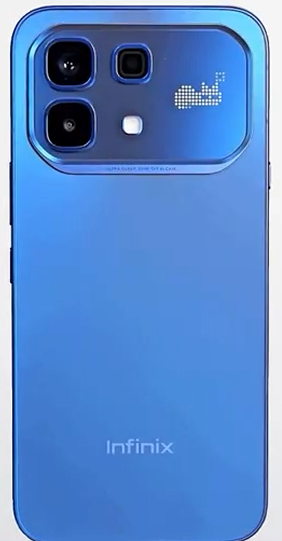
Infinix Note 60 series at a glance
| Model | Chipset | Battery | Memory |
|---|---|---|---|
| Note 60 5G | MediaTek Dimensity 7400 Ultimate | 6,150 or 6,500 mAh, 45 W wired | 8 GB RAM, 128 or 256 GB UFS 2.2 |
| Note 60 Pro | Snapdragon 7s Gen 4 (as listed) | About 6,500 mAh (as listed) | 12 GB RAM, 256 GB (as listed) |
| Note 60 Ultra | MediaTek Dimensity 8400 Ultimate (as listed) | About 7,000 mAh (as listed) | 12 GB RAM, 512 GB (as listed) |
Entries marked “as listed” come from third-party phone databases and can differ by region. The Note 60 5G figures come from its Wikipedia entry.
Infinix Note 60 5G in detail
Display
The Note 60 5G has a 6.78-inch 1.5K AMOLED display (1208 x 2644 pixels, about 429 ppi) with a 144 Hz refresh rate and a quoted peak brightness of 4,500 nits, protected by Gorilla Glass 7i. Peak figures like 4,500 nits are measured in tiny highlights, not across the whole screen, so do not expect that brightness everywhere. Even so, an AMOLED panel at this sharpness is the biggest upgrade over the Hot series, and in our opinion it is the main reason to pay more.
Performance
The Dimensity 7400 Ultimate is a 4 nm octa-core chip with four Cortex-A78 cores at 2.6 GHz and four Cortex-A55 cores, paired with a Mali-G615 MC2 GPU. It sits well above the Helio-class chips in budget phones and should handle multitasking, social apps, video editing in simple apps and most games at medium to high settings. Storage is UFS 2.2 and there is no microSD slot, so choose the 256 GB version if you shoot a lot of video.
Cameras
The rear setup is a 50 MP f/1.6 main camera with optical image stabilisation, plus an 8 MP ultrawide with a 112-degree field of view. OIS is the standout: it helps low-light photos and makes handheld video steadier, and it is a feature the Hot series lacks. The ultrawide is a modest helper rather than a headline camera. The 13 MP front camera records 4K at 30 fps, which is a pleasant surprise for vloggers.
Battery and charging
Capacity is 6,150 mAh or 6,500 mAh depending on market, with 45 W wired charging and bypass charging, which powers the phone directly from the charger while gaming so the battery does not heat up. Wikipedia’s entry also lists wireless charging; because that is unusual and we could not confirm it from a second source, check the official page for your region before relying on it. Even without it, a battery this size should easily carry most users through a full day of heavy use.
Software and extras
Android 16 with XOS 16 comes with a promise of up to three major Android upgrades. The extras list is long for this price: JBL-tuned stereo speakers, NFC, an infrared blaster, an under-display fingerprint sensor, an IP64 rating for splash and dust resistance, a vapor-chamber cooling system and USB-C charging. There is no 3.5 mm headphone jack.
Note 60 Pro and Note 60 Ultra
The Note 60 Pro is listed with a Snapdragon 7s Gen 4 chip, about 6,500 mAh of battery and 12 GB of RAM. Choose it if you prefer Qualcomm chips, want more RAM for multitasking or value its slightly better feature set over the base model. The Note 60 Ultra is listed with a Dimensity 8400 Ultimate, a battery of around 7,000 mAh and up to 512 GB of storage, and one regional listing mentions a 200 MP main camera. We would treat that camera claim with caution until Infinix’s own spec sheet confirms it. In our view the Ultra is aimed at gamers and power users who want a near-flagship chip without a flagship price.
Satellite messaging: useful, but not for everyone
Infinix says the Note 60 series is its first line with two-way satellite voice calling and SMS. In practice this will matter only if the feature is switched on in your country, your carrier or a partner supports it, and you travel to places without mobile coverage. For most buyers it is a nice extra, not a reason to choose the phone. Check availability for your region before counting on it.
Which Note 60 should you choose?
- Note 60 5G: the best value and our pick for most people.
- Note 60 Pro: for users who want more RAM and storage.
- Note 60 Ultra: for gamers and heavy users who want the fastest chip and biggest battery.
- Budget instead? Read our Infinix Hot 70 guide.
Tips for new Note 60 owners
- Set the display to 144 Hz for smooth scrolling, or drop to 60 or 120 Hz to save battery.
- Turn on bypass charging when gaming on the charger to keep the phone cool.
- Since there is no microSD slot, back up photos regularly to cloud storage or a PC.
- Check for updates in the first week, as early software often includes camera and battery fixes.
Connecting the phone to a PC
To transfer large files, use ADB or Fastboot, or later unlock the bootloader, install the ADB tools and enable USB debugging as described in our Infinix USB drivers guide. Recent Infinix phones normally work with the standard Android ADB driver on Windows 10 and 11, so you rarely need a model-specific package. If you ever need to reinstall the software, our stock ROM guide explains the safe way to do it.
Frequently asked questions
Does the Infinix Note 60 have satellite connectivity?
The series is reported to support satellite communication, but availability depends on your country and carrier.
Is the Note 60 5G or 4G?
The Note 60 5G supports 5G networks. Other regional variants may differ.
Does the Note 60 have a microSD slot?
No. The Note 60 5G listing shows no card slot, so choose enough built-in storage.
Which Android version does the Note 60 run?
Android 16 with XOS 16, with up to three major Android upgrades promised.
Sources and image credits
- Wikipedia: Infinix Note 60
- GSMArena: all Infinix phones (Note 60 Pro and Ultra listings)
- Image: Infinix Note 60 Pro in blue, photo by specs domain (YouTube), licensed CC BY 4.0, via Wikimedia Commons.
Back to all Infinix phone reviews and comparisons.